10 August 2026
Why does a bat scratch you can barely see still need treating
A bat scratch can be small enough that you have to look twice to find it, and it is still treated as urgently as a deep bite. This episode is in two halves, and the first half is written for one particular parent: the one sitting in a hospital tonight because a bat bit or scratched their child.
Bat bites are not pretty and they are unexpected. This episode covers some of the tips and tricks with coping with hospital admissions, unusual circumstances and your child's reaction during all of this.
Then the second half, which is the one we planned. Bow legs and knock knees are not two problems, they are two stages of one journey in a set order. The hips, knee and ankle change shape and orientation as your child moves from being an infant into an active little kid. This can take up to seven years before settling.
Mostly we explore what changes occur at the hip but we also cover some common abnormalities seen at the feet including in-toeing and out-toeing.
Topics covered: bat bite, bat scratch, Australian bat lyssavirus, post exposure treatment for children, post exposure treatment, hospital with a child, needle distress in children, communication device in hospital, Key Word Sign, talking to a frightened child, bow legs, knock knees, genu varum, genu valgum, in-toeing, out-toeing, when to see a paediatric physiotherapist, gross motor development, Campbelltown, Macarthur, NSW.
Read more from Aderet Therapy
Support lines
- NDIS early childhood approach, for children under 9. No diagnosis needed to start: 1800 800 110
- Pregnancy, Birth and Baby: 1800 882 436
- NSW public health units: 1300 066 055
- Victorian communicable diseases line, 24 hours: 1300 651 160
- WIRES wildlife rescue: 1300 094 737
- Wildlife Victoria, to report a sick or injured bat rather than touching it: 03 8400 7300
Sources behind this episode
NSW Health, Australian Bat Lyssavirus clinician alert, 30 July 2025, and the NSW Health rabies and Australian bat lyssavirus fact sheet. The national handbook on rabies and other lyssaviruses. Royal Children's Hospital Melbourne, clinical practice guideline on rabies and Australian bat lyssavirus post exposure prophylaxis. Victorian Department of Health, rabies and Australian bat lyssavirus. Si and colleagues, Tropical Diseases. Birnie and colleagues, Cochrane Database of Systematic Reviews 2018, psychological interventions for needle related pain and distress in children. Poole and White, Developmental Psychology, on question repetition with young children. healthdirect, on soreness after an injection. WIRES and Wildlife Victoria, for the wildlife rescue numbers. Aderet Therapy, Knock Knees and Bow Legs.
In this episode
- 00:00 - Intro
- 00:54 - Song: Don't Pick Up A Bat
- 02:54 - Bats - Treatment of bites
- 07:06 - Song: You Brought Them In
- 09:06 - Bow legs and Knock knees
- 14:42 - Song: Growing Out Of It
- 16:46 - When to seek help
About the show
Aderet Therapy Weekly is a short weekly podcast for parents of babies and young children, from the paediatric physiotherapy team at Aderet Therapy in Campbelltown, in the Macarthur region of south west Sydney, NSW. Every episode takes one thing parents worry about, explains what is actually known about it, and says plainly what is not known. No judgement, no jargon, no scare tactics.
Aderet Therapy: paediatric physiotherapy, early intervention key worker support, communication physiotherapy and AAC, aquatic physiotherapy, equipment prescription, school holiday programs, and the free Little Movers League community sessions. NDIS, Medicare and private.
Contact
- Website: aderettherapy.com.au
- Phone: 02 4949 7276
- Address: Suite 10, 261 Queen Street, Campbelltown NSW 2560
Disclaimer
Everything in this episode is general information only. Every child is unique, and nothing here replaces a conversation with your GP, your child and family health nurse, or your physiotherapist.
You might also like
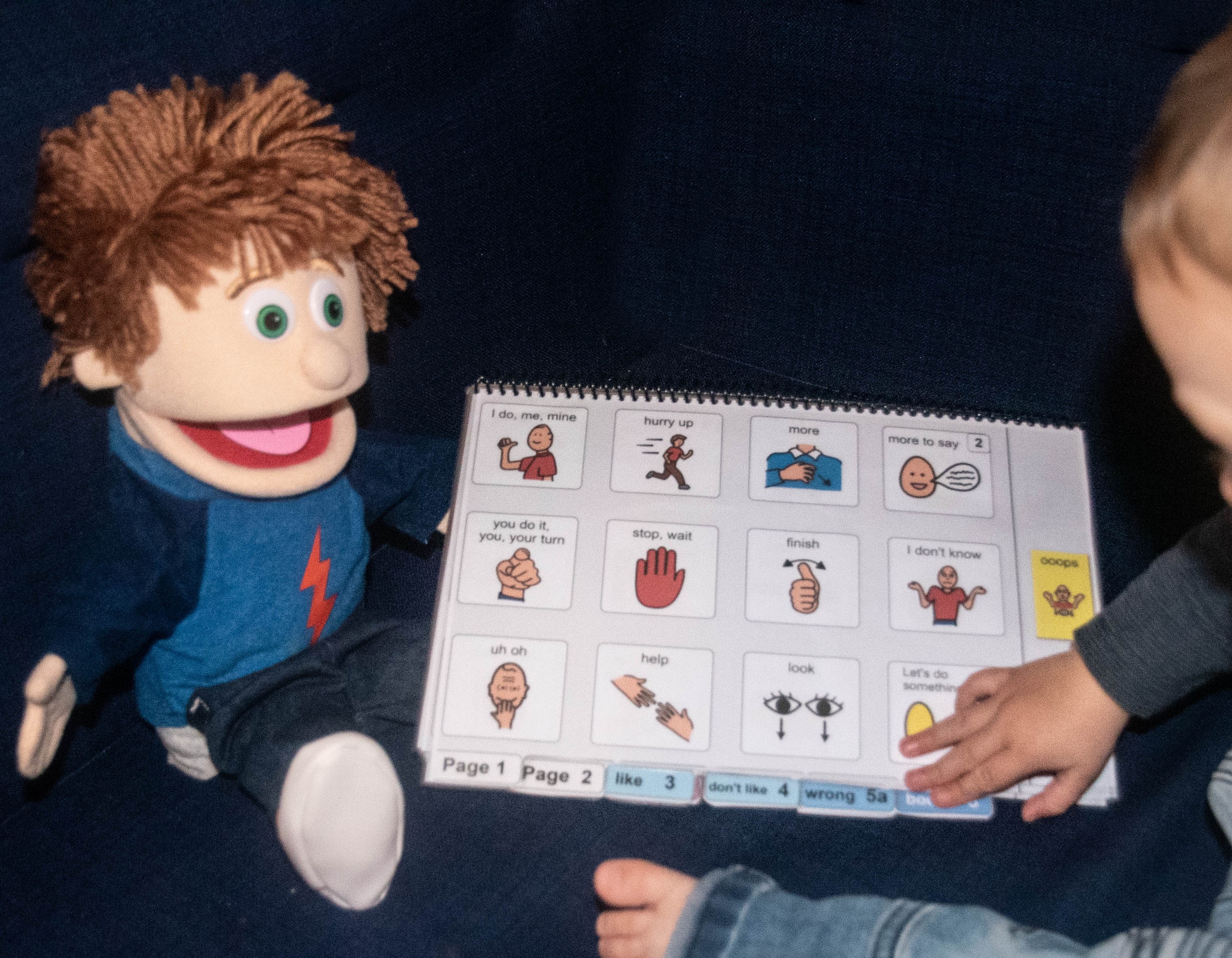
What is a Physiotherapist's role in non-verbal population?
How paediatric physiotherapists support communication in non-verbal children through posture, motor control, and AAC system access. Why interdisciplinary collaboration produces better outcomes.
How They Move
A song about quality of movement - two children the same age, both not walking yet, and why how a child moves says more than when they get there.
Do milestone charts miss the things that matter most?
Do milestone charts miss how a child moves? Why quality of movement matters more than ticking a box, plus what AAC is and who it is for.

What is AAC? Augmentative and alternative communication
What is AAC? A paediatric physiotherapist explains augmentative and alternative communication, who it is for, and why an AAC user's voice must stay within reach.

Cri Du Chat: Cat's cry syndrome
What is Cri Du Chat syndrome? A paediatric physiotherapist explains the chromosome 5 deletion, the low muscle tone and speech delay behind it, and how physio helps.