9 October 2026
What is AAC? Augmentative and alternative communication

AAC. People throw these three letters in with the assumption that you must know already what it entails. When asked, they unpack the acronym: Augmentative and Alternative Communication. But what does that actually mean? Eventually you stop asking. So here is the breakdown. Communication is complex because we communicate through so many different avenues. All of this counts as communication. Communication itself is the power of relaying a message that is understood by another person.
- Verbal: Speech
- Non Verbal (AAC)
- Non-Aided: Gestures, Sign Language, Body language, Expression
- Aided: Choice cards, Alphabet boards, Symbol boards, Communication books (PODD), Communication devices, Speech generation devices or Apps, AAC apps
The umbrella of AAC
The umbrella of AAC comes under non-verbal strategies of communication. As mentioned AAC stands for Augmentative and Alternative Communication.
Augmentative means supports or supplements. It comes alongside speech to make it clearer what you are talking about. It may enable you to give context about what you are talking about, so your communication partner can better understand your words. It may help provide a word that you are struggling to find or say.
Alternative replaces speech or verbal strategies of communication. It provides the words and method of communication.
Do I need to be non-verbal to use AAC?
Most people assume that you need to be non-verbal to use AAC. Part of this comes from the fact most methods of AAC are non-verbal strategies. However, you do not need to be non-verbal to benefit from AAC. It may be that it is difficult using speech in certain situations when you become distressed, angry, fatigued. Having access to AAC means that you still have the ability to get your point across when other factors limit speech. It also can be useful for individuals that struggle with verbal comprehension. They may understand what others around them are saying more if it is communicated using AAC strategies.
When should AAC be utilised?
This varies from person to person. Some individuals use different methods of AAC at different points depending on what is going on around them and who they are talking to. For example, it is hard to use sign language with other people who do not understand sign language. They will not understand what you are saying. One thing to keep in mind: if you or your child is reliant on AAC to communicate, then the system needs to be available all the time, otherwise you have no way of being able to share your thoughts, opinions and needs.
Communication as fundamental right
This is one very important concept. Everybody has the right to be understood and have their voice heard. For individuals who struggle to communicate through speech alone, their voice still matters and the method they use to share their thoughts and opinions should be prioritised. What does this look like? Ensuring that their device, book or AAC method is available and within reach all the time. Anytime it is inaccessible is a time that you are gagging or limiting the AAC user. Secondly, providing time. AAC takes longer to relay messages and this is not the fault of the AAC user. It is important that communication partners provide enough time for the AAC user to get out their message. This may feel unusual for someone who speaks as their method of communication but time is golden when you use AAC.
You might also like
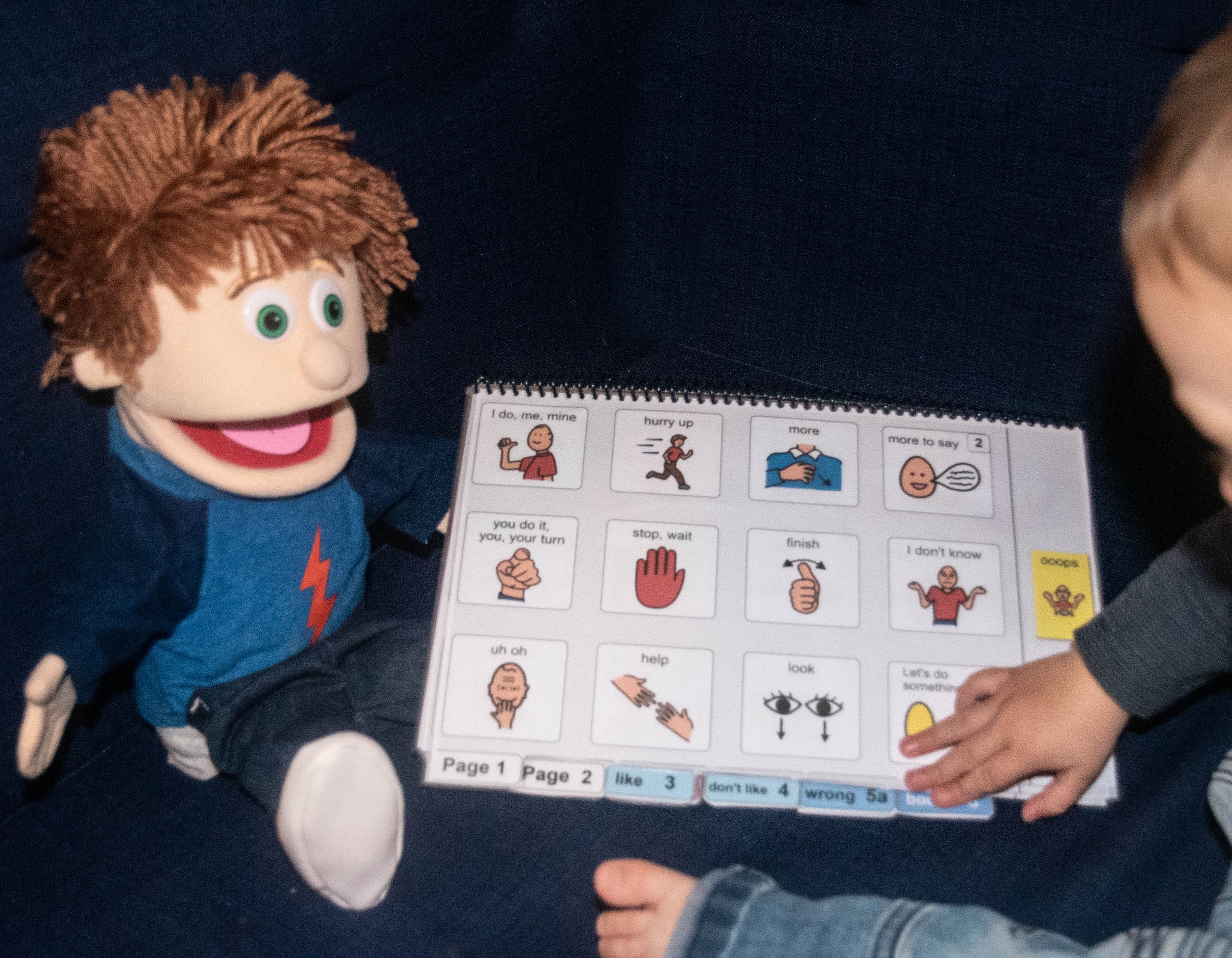
What is a Physiotherapist's role in non-verbal population?
How paediatric physiotherapists support communication in non-verbal children through posture, motor control, and AAC system access. Why interdisciplinary collaboration produces better outcomes.
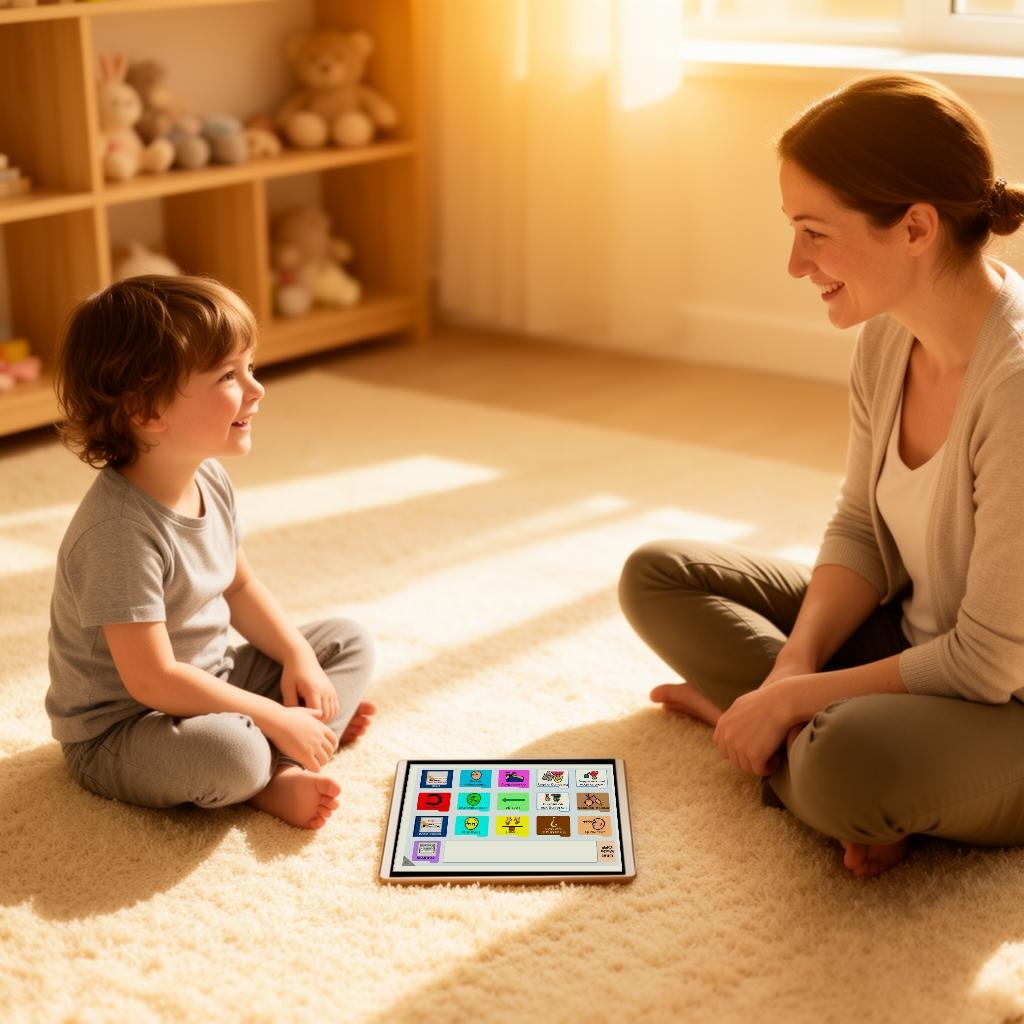
Cri Du Chat: Cat's cry syndrome
What is Cri Du Chat syndrome? A paediatric physiotherapist explains the chromosome 5 deletion, the low muscle tone and speech delay behind it, and how physio helps.
Why is a Speech Therapist in the Physio Room?
How a speech pathologist helps a child learn movement, and what happens in the split second between choosing to move and actually moving.
A Look, A Smile, A Stare
A song about non-verbal communication - the child who takes in far more than they can say, and the look, smile and stare their people learn to read.
How do I help my child roll?
How do I help my baby roll? A paediatric physiotherapist breaks rolling into motivation, gravity and strength, with simple ways to set each one up at home.