4 December 2025
Understanding Muscle Tone
Drag the slider above to see how muscle tone changes the way Sam's body holds itself upright. Slide left toward low tone (hypotonia) and Sam softens - head drooping, shoulders narrowing, trunk leaning - while sliding right toward high tone (hypertonia) pulls everything tight and stiff. The middle is typical tone, the comfortable resting tension most bodies sit at.
What Is Muscle Tone?
Muscle tone is the amount of resistance to movement in our muscles. It is not the same as muscle strength - tone is about the baseline "readiness" of our muscles, even when we are not actively moving. Everyone has a natural level of muscle tone that helps us hold our bodies upright, maintain posture, and move smoothly. There is a broad range of normal and muscle tone only becomes an issue when it starts to impact a child's ability to move and play.
Low Tone vs High Tone
Low muscle tone (hypotonia) means the muscles feel softer and less tense at rest. Children with low tone may appear "floppy," tire easily during physical activities, and have difficulty maintaining postures like sitting upright. They might lean on furniture or other people for support and sometimes seem less coordinated. Often children with low tone have difficulty building muscle strength.
High muscle tone (hypertonia) means the muscles feel tighter and more resistant to movement. Children with high tone may appear stiff, have difficulty relaxing their muscles, and move in more rigid patterns. Activities that require smooth, flowing movements can be particularly challenging.
How Physiotherapists Assess Tone
Paediatric physiotherapists can determine muscle tone and quality of movement by gently moving Sam's arms and legs through their range of motion, observing how much resistance they feel. They also watch how Sam sits, stands, and moves during play. This is always done in a child-friendly, playful way. Muscle tone can also be affected by neurological conditions which can cause involuntary movement (chorea-athetosis), speed dependent tightness (spasticity), tortional painful movement (dystonia) and other abnormal tonal patterns.
When to See a Physio About Tone Concerns
If you notice your child seems unusually floppy or stiff, tires quickly during physical play, has difficulty sitting or standing without support, or seems behind peers in motor milestones like crawling, walking, or climbing - it may be worth having a physiotherapy assessment. Though abnormal tone is not a condition on its own, it can be a sign of an underlying condition that can impact development. Early diagnosis can be highly beneficial as many conditions benefit from early intervention. Physiotherapy can make a meaningful difference in building strength, improving posture, and supporting confident movement. Get in touch if you would like to chat about concerns about your child's movement and posture.
You might also like

What is tone???
What does muscle tone actually mean? A paediatric physiotherapist explains low tone (hypotonia) vs high tone (hypertonia), the elastic band analogy, and how tone differs from strength.
Doesn't warm water reduce tone? So why use it for low tone?
If warm water lowers tone, why put a child with low tone in a warm pool? We unpack what aquatic physiotherapy actually does for gross motor goals.
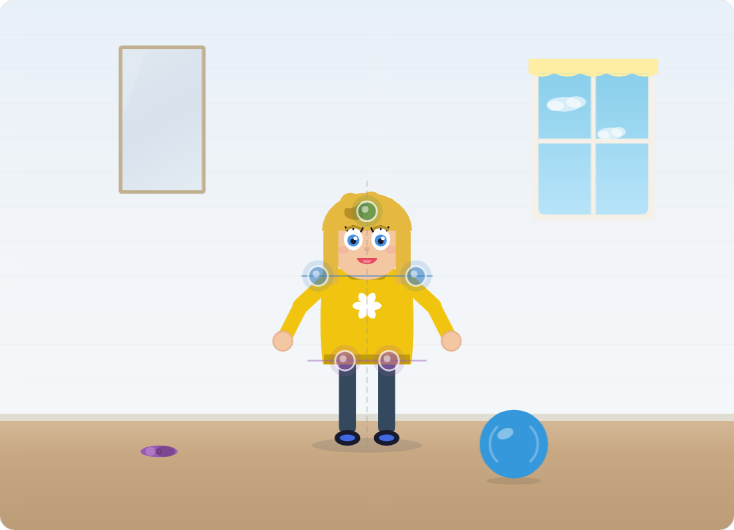
Posture Check
An interactive posture tool - drag control points to explore how head tilt, shoulder drop, and hip shift affect alignment.