4 July 2025
Benefits of Hydrotherapy
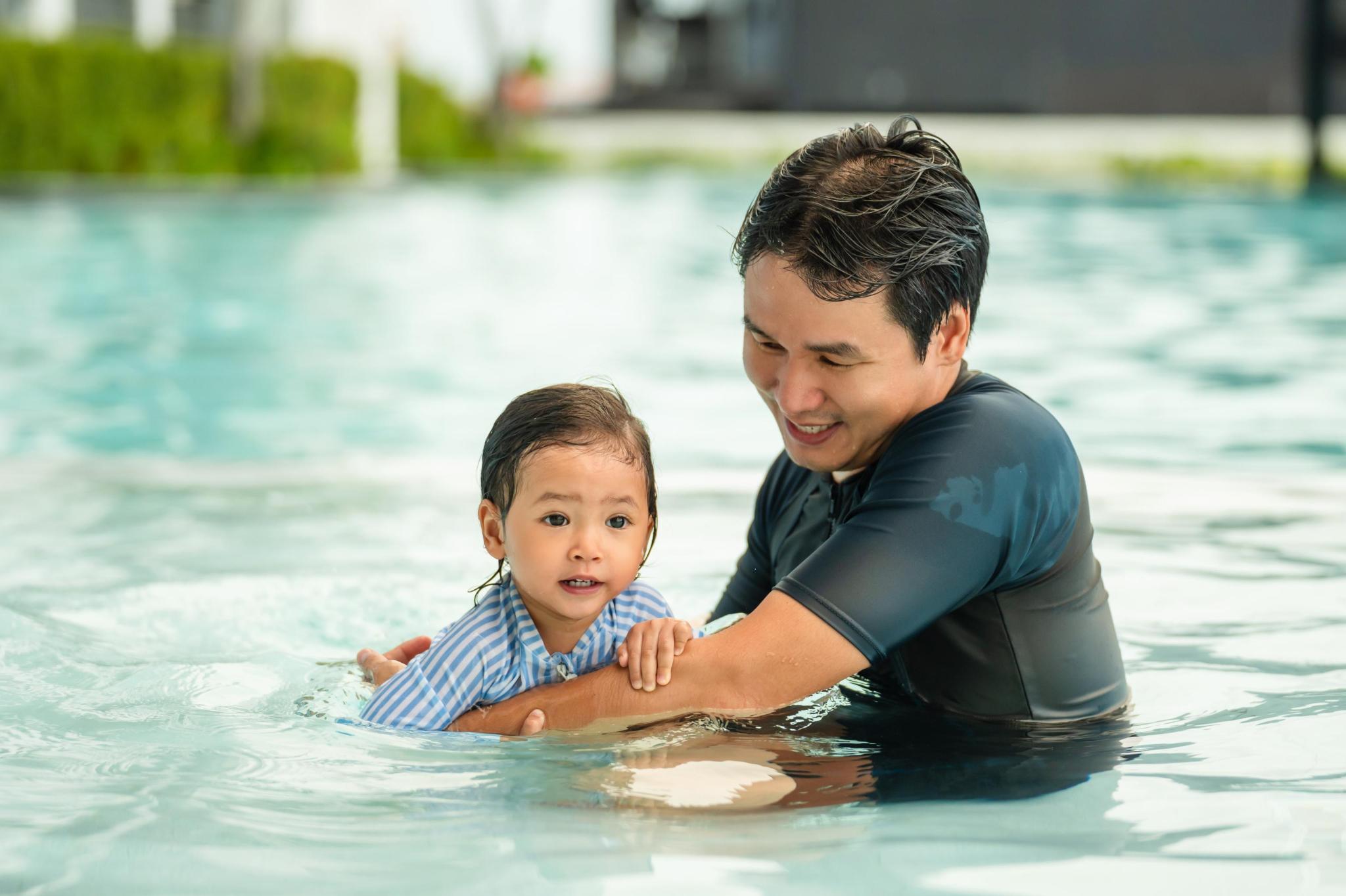
What are the actual benefits of hydrotherapy? We know that
kids love being in the water, but does it actually lead to functional gains?
Listed below are some top reasons why some parents have found that hydrotherapy
for their child has been beneficial.
Fun
It is mentioned above but most children love to be in the
water. This can change a challenge of coming to a therapy session to THE
anticipated event of the week. The fact that kids find hydrotherapy fun, isn’t
simply a motivating factor (though it definitely helps). Studies show that when
you are actively engaged in an activity and having fun, this results in better
retention of motor patterns and development of neural patterns. This means that
skills learned within a fun environment are more likely to be retained.
Physiologically affects on the body
The warm water environment that is typically used for
hydrotherapy sessions has a physiological impact on the body. It affects the
cardiovascular system, lymphatic system as well as providing consistent
pressure and tactile sensation to all submersed parts of the body. This can be
beneficial for individuals with sensory processing challenges as it provides
the additional sensory input that the child needs in order to best learn and
function. The warm water also has the ability to reduce tone, spasticity, rigidity
for individuals with neurological conditions. Finally it is easier to move your
body within a water environment, meaning individuals who are very weak will
have more success building strength and endurance in the water environment.
Secure Environment
The last point we will make today, is the water can be seen
as a safe environment. For individuals who are scared of falling, or have
abnormal unexpected movement patterns. The water can be a very reassuring place
to learn skills as they are less likely to hurt themselves if something
unexpected happens. This can be a good place to introduce new skills, refine
and then transfer to the above ground environment.
When it comes down to it like all things, it is very
individual. Some children really thrive in learning new skills in aquatic
environments whilst others may receive more therapeutic benefit with land
therapy. Usually it is best practice to have a goal of consistently
transferring skills learnt in an aquatic environment to land to ensure the
retention of skills but there are exceptions to this rule.
You might also like
Growing Pains
Learn where growing pains happen and discover simple relief strategies.
Understanding Cerebral Palsy
An interactive body explorer - tap on different areas to learn how cerebral palsy affects movement, muscles, and coordination.
The ins and outs of cystic fibrosis
What is cystic fibrosis and how can physiotherapy help? Airway clearance, lung function testing and exercise programs to support your child's CF management.